Your fans already talk to the people they follow. They shout at the screen during a match and type long comments under a post that the star will never read. Nobody answers. If you run fan engagement for a club, a league, a tour or a studio, you can now close that gap: a fan says something to the star they follow, and a real face and a real voice answer them, in real time, about the thing they just said.
Fans have plenty to watch and nobody to talk to
Most of what a fan gets from you travels one way. Highlights, interviews, behind-the-scenes clips and newsletters are all made once and sent to everybody. They're good, and fans want them. But a fan can't ask a clip a question.
The moments where a fan does get answered are rare because they depend on a person's time. A signing session ends when the star has to leave. A meet-and-greet has a short list. The fan who lives far away never gets near either.
A human agent removes that limit. It's a real-time generative AI face and voice model that runs an LLM-powered conversation, so the fan speaks, it listens, and it replies out loud with a face that moves with the words. It also holds many conversations at the same time. The star has one evening, and the agent can spend that same evening with every fan who shows up, each in their own conversation.
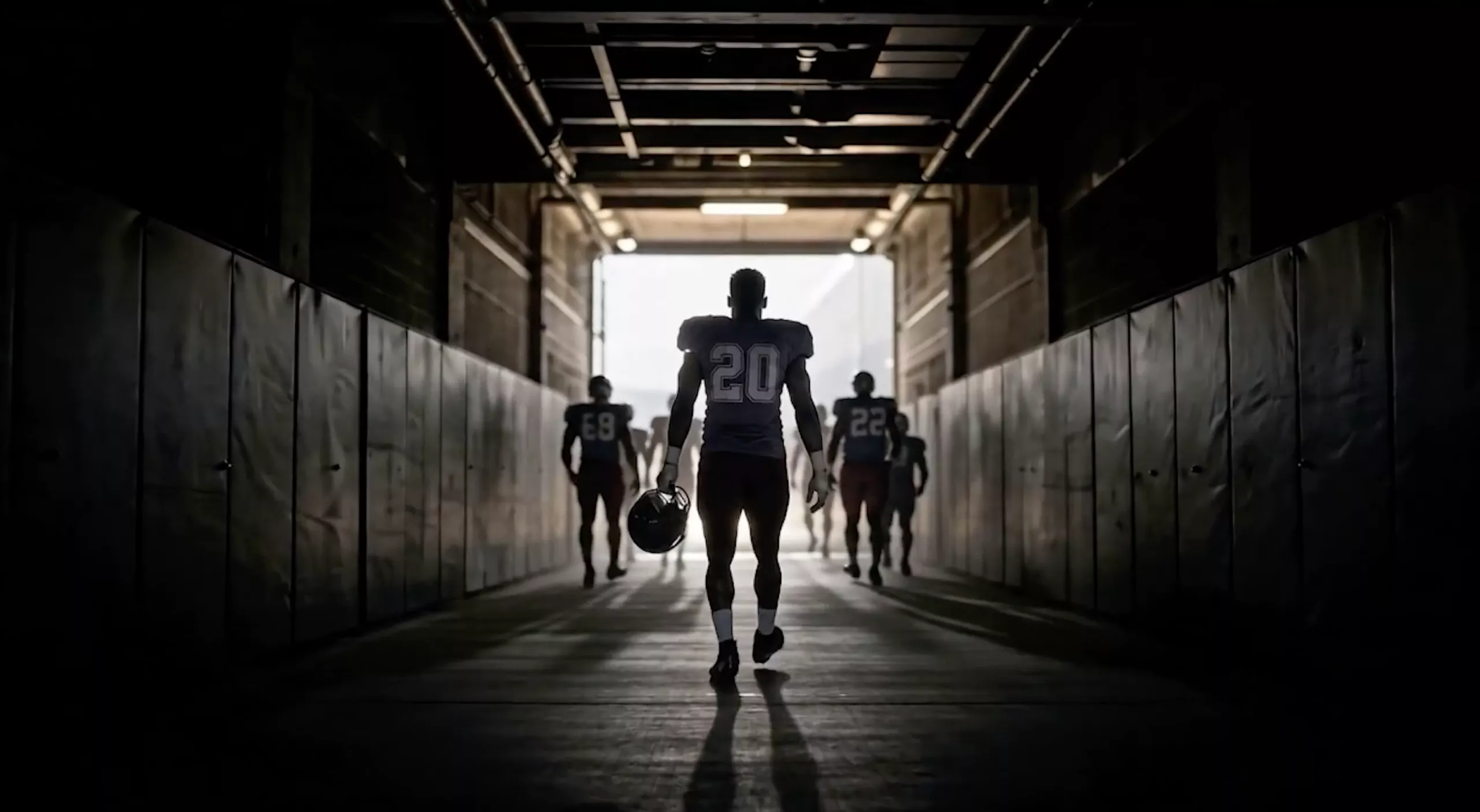
The companion at a live event
Start with the event itself, because that's when fans have the most to say.
A live event companion is an agent the fan opens on their phone while the match or the show is on. We run it in the browser on purpose. A fan in a stadium seat won't install an app at half-time, but they'll tap a link.
From there the fan just talks. They ask what that call was about, who's on stage next, or what the record is for the thing they just watched. The companion answers from what you've prepared it to talk about, in the voice and manner you've chosen for it. It can be a presenter you've created for the season, or a face fans already know from your broadcasts.
The fan who came alone has someone to talk the game over with. The fan who came with a child has someone patient enough for a child's questions.
A conversation with the star they follow
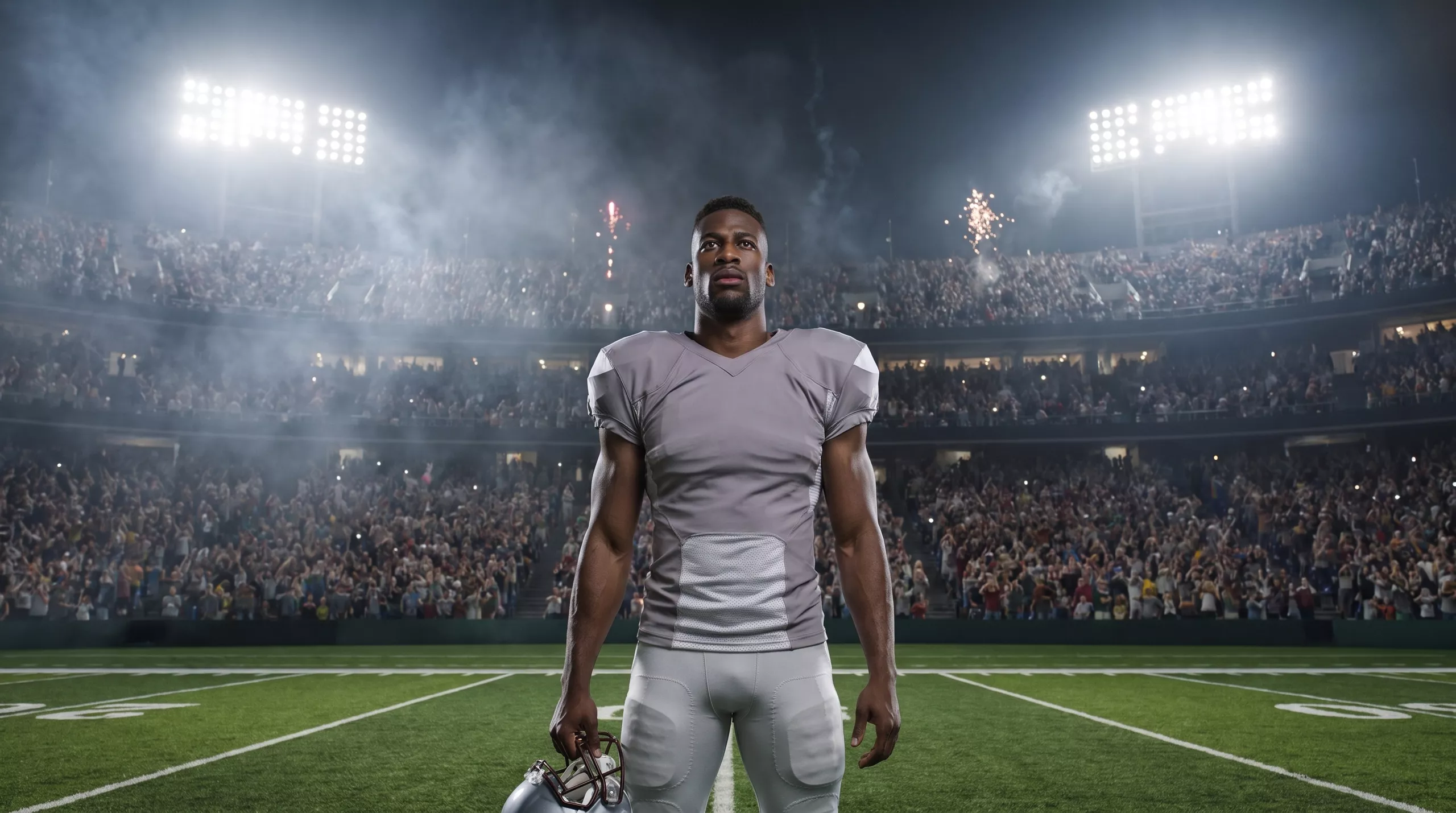
The second kind of conversation is the one fans have wanted for years. An agent carries the face and voice of the athlete or artist, and the fan talks with it directly.
This is where the face matters most. A fan has watched this person in close-up for years, so they'll spot a stiff mouth or a dead stare in a second, and the conversation is over before it starts. We built Human Presence, our most sophisticated face model, to cross the uncanny valley, and a star's face in front of their own fans is the hardest test that model can get. It's the one we'd put there.
Once the face holds, the fan relaxes and starts asking what they've always wanted to ask. How did the final feel from the inside? Which song almost didn't make the album? What should a fourteen-year-old goalkeeper practise this winter? The agent answers in the star's voice, stays on what the star would talk about, and picks up the fan's follow-up question when it comes.
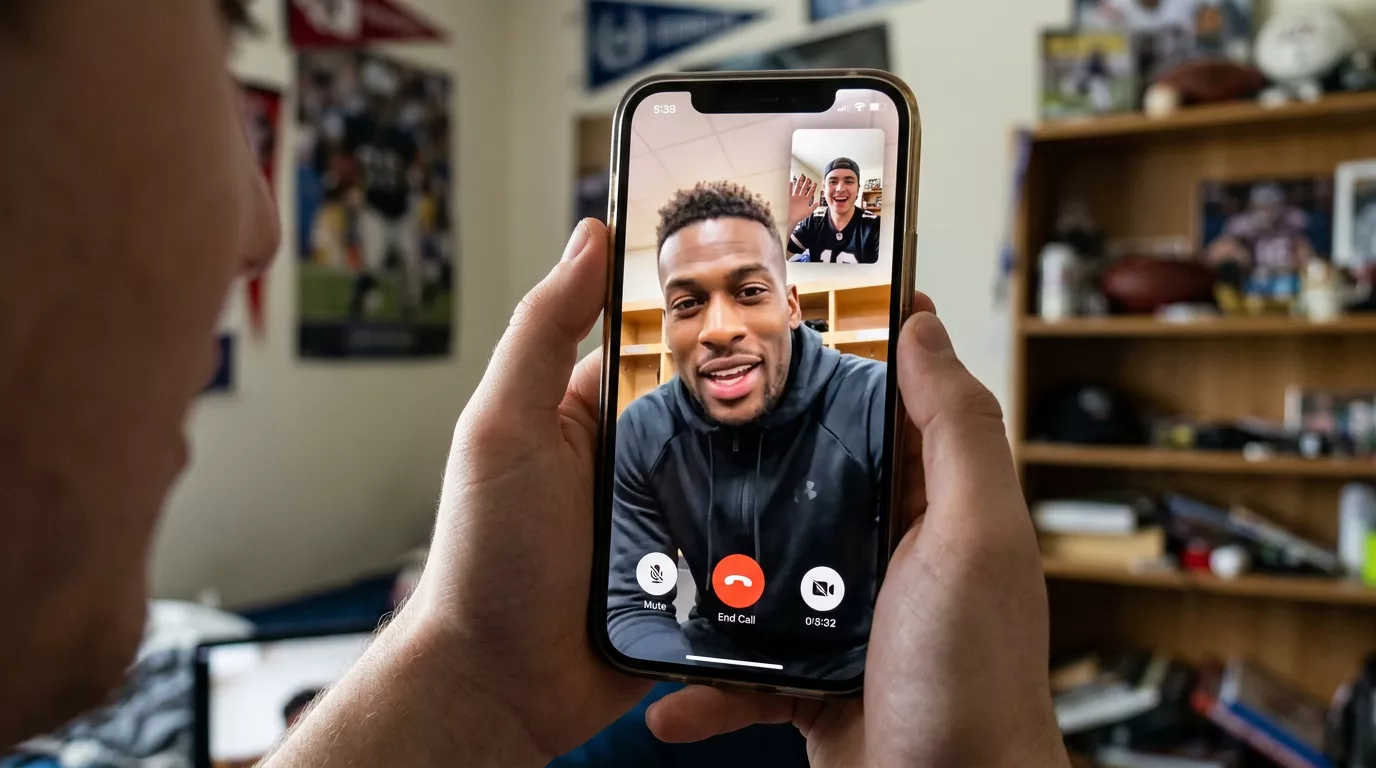
Talk to Denzel, one of our Human Agent templates and a motivational coach for sports performance.
What makes the conversation worth having
A fan will try anything once. Whether they come back depends on what they got out of the first conversation, and in our experience of building these, it comes down to a short list:
- The answer is about what the fan said. They asked their own question and got a reply to it, so the conversation belongs to them.
- The face and voice are the ones they follow. A text box with the star's name on it doesn't do this.
- It happens live. The fan can interrupt, change the subject or ask why, and the agent goes with them.
- It sounds like the person. The agent keeps the star's way of talking and stays on brand through every conversation of the night.
Take any one of these away and you're back to publishing content. With all four, the fan has had a conversation they'll describe to someone else the next day, and they'll describe it as something that happened to them.
That changes what a fan relationship is made of. Until now it's been built from things the fan watched, and now it can include things the fan said and the answers they got back.
The choice in front of you
You're already planning next season's content or next year's tour. The plan most likely lists what you'll publish and when. The question worth adding is where in that plan a fan gets to speak and be answered.
Fans have been an audience because nothing else was possible at their scale. It's possible now, and a fan who has been answered once by the star they follow won't go back to only watching.